
Best Camera Gear for Sundarban Wildlife Photography

Best Camera Gear for Sundarban Wildlife Photography | Take A Boat
The Sundarbans delta is a photographer's ultimate technical challenge. It is a land defined by extreme heat, near-total humidity, corrosive salt spray, and constantly moving shooting platforms.
Table of Contents
- Best Camera Gear for Sundarban Wildlife Photography | Take A Boat
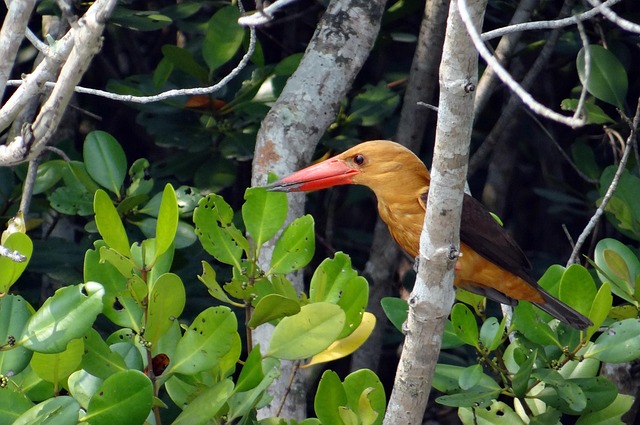
Capturing the elusive Royal Bengal Tiger or a dazzling Kingfisher in flight here demands not just skill but a meticulously planned gear setup.
This guide is tailored for the committed wildlife photography enthusiast seeking reliable performance in an environment where failure is not an option.
Camera Body: Weather Sealing is Non-Negotiable
The sheer moisture content in the Sundarbans air makes weather-sealing a primary technical specification.
An unprotected body can quickly become a breeding ground for sensor fungus and premature electronics failure.
Recommended Specifications
Full-Frame or High-End APS-C Mirrorless Bodies:
Prioritize professional-grade cameras such as the Canon EOS R5/R6 series, Nikon Z8/Z9 series, or Sony A1/A9 series.
These offer superior internal gaskets and seals (often rated for splash resistance) compared to entry-level models.
The APS-C Advantage:
For bird photography, high-end APS-C bodies (like Canon R7, Fujifilm X-H2S, or Sony A6700) provide a 1.5x or 1.6x crop factor, effectively extending the reach of your telephoto lenses — a major advantage when photographing distant subjects.
Battery Redundancy:
Limited shore power is a reality in the Sundarbans. Carry at least three fully charged, high-capacity batteries.
Modern mirrorless systems consume power rapidly due to advanced autofocus and electronic viewfinders.
Lenses for Optimal Reach and Versatility
The vast, tree-lined waterways of the Sundarbans demand maximum focal length.
Subjects—especially the Royal Bengal Tiger—are rarely seen close to the boat.
Primary Wildlife Telephoto Zoom (Essential Lens)
Focal Length: 150–600mm or 100–400mm (plus a teleconverter).
Recommended Options: Sigma/Tamron 150–600mm, Canon RF 100–500mm, Sony FE 200–600mm.
Why It Matters:
A 600mm reach is critical. Since boats are constantly moving, a zoom lens offers flexibility to reframe quickly.
A variable aperture (f/5.6–6.3) is acceptable, as most shooting occurs in bright daylight.
Look for built-in, multi-mode image stabilization optimized for panning — essential for tracking birds from a moving boat.
Secondary Medium Telephoto Zoom (Environmental Shots)
Focal Length: 70–200mm (f/2.8 or f/4).
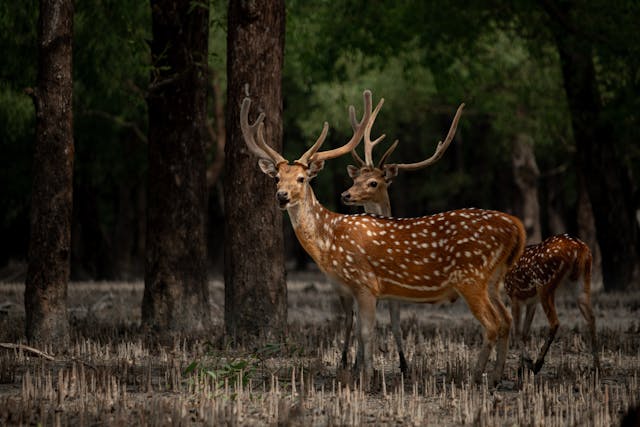
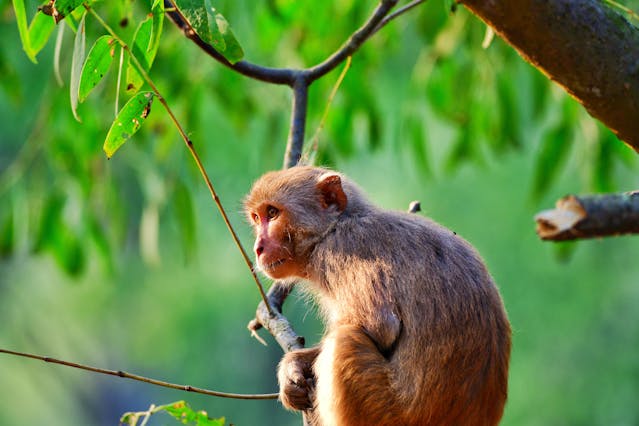
Why It Matters: Perfect for portraits of Mawalis, monkeys, or broader environmental compositions that situate wildlife within the mangrove habitat.
The wider aperture helps in low-light conditions (early morning and late evening).
Standard/Wide-Angle Lens (Landscape & Boat Life)
Focal Length: 24–70mm (f/2.8) or wide prime (e.g., 35mm).
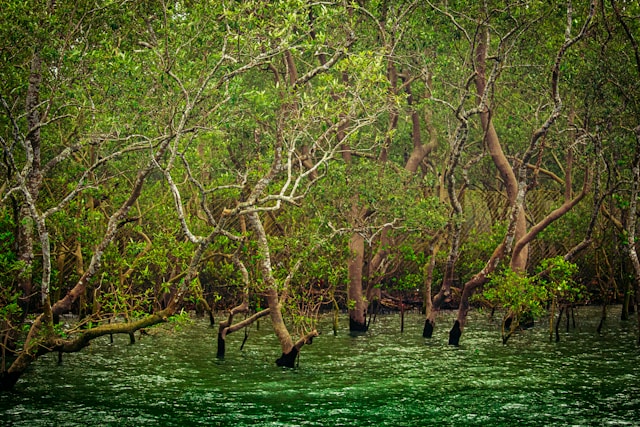
Why It Matters: Captures the grand scale of the mangrove forests, the winding tidal creeks, and life aboard the vessel — all essential to the full Sundarban experience.
Support Gear: Stabilizing the Shoot
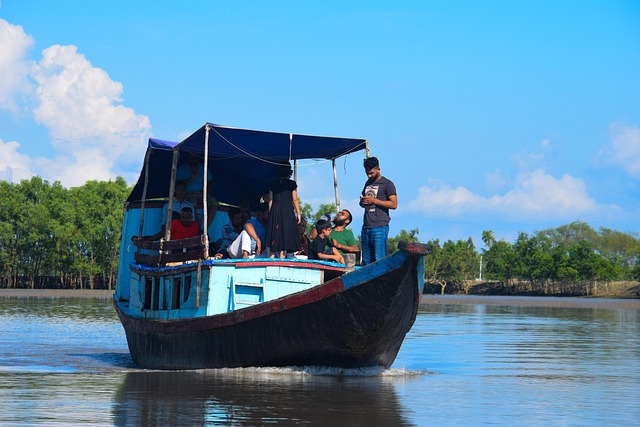
Shooting from a small, motorized boat introduces constant vibration and motion blur. Specialized support is essential.
Monopods Over Tripods
A full tripod is often impractical on a confined deck.
A sturdy monopod offers the perfect balance — quick mobility with sufficient stability for long lenses.
Gimbal Head
Pairing your telephoto lens with a lightweight gimbal head on the monopod allows smooth, controlled movement — ideal for tracking fast-moving birds or river dolphins.
Protection: The Fight Against Humidity and Salt
This is the most critical section for Sundarban photography gear.
The environment actively tries to destroy your equipment — prevention is key.
The Desiccant Arsenal
Humidity is your greatest enemy. Line your camera bag with large silica gel packets (preferably color-changing reusable types).
When not shooting, store your body and lenses in sealed dry bags or Ziplocs with silica gel to prevent condensation and fungus.
Dry Bags and Rain Covers
Always carry a heavy-duty roll-top dry bag (used for kayaking).
Keep a camera rain cover on during active shooting — salt spray is extremely corrosive and can ruin electronics and coatings.
UV/Protective Filters
Fit every lens with a multi-coated UV or protective filter.
It serves as a sacrificial layer against salt residue, dust, and scratches — far cheaper to replace than your lens front element.
Cleaning Kit Essentials
Pack a professional blower, high-quality lens cleaning solution, and several individually wrapped microfiber cloths.
Always blow off dust or salt before wiping — even fine grains can cause micro-scratches.
Take A Boat: Designed for Wildlife Photographers
At Take A Boat, we understand that great photography demands more than just the right gear — it needs the right platform.
Our customized Sundarban photography tours are built with the photographer’s needs in mind.
Stable Platforms
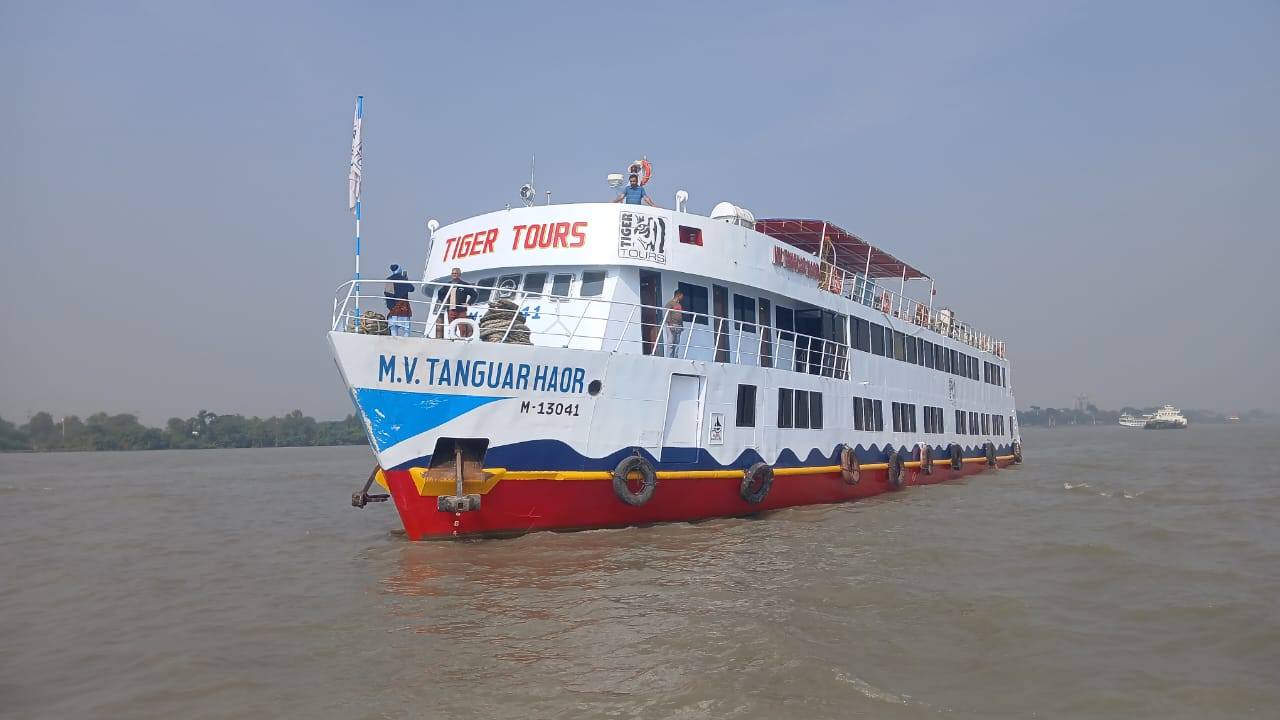
Our vessels are carefully selected and modified to provide the most stable shooting positions, minimizing water-motion effects.
Expert Positioning
Our guides are trained in both wildlife spotting and boat positioning — understanding light direction, background composition, and subject distance to help photographers capture their best shots.
Time and Patience
We schedule tours around optimal lighting conditions and allow sufficient time for waiting out elusive wildlife — an essential element in successful wildlife photography.
Final Thoughts
In the Sundarbans, the difference between success and failure often comes down to preparation.
Invest in weather-sealed gear, maximize your focal reach, and protect your equipment from humidity and salt.
With patience and the right setup, the reward is a portfolio of extraordinary images from one of the world’s most remote and breathtaking habitats.