

Best Time to Visit Sundarbans?

Best Time to Visit the Sundarbans: A Seasonal Guide for 2025
As a naturalist who has spent years navigating the intricate canals of the Sundarbans, I am often asked one question more than any other: "When is the best time to visit?" The truth is, the answer isn't simple. The "best" time depends entirely on what you hope to experience. This majestic mangrove forest transforms with the seasons, each offering a unique perspective on its wild heart. This guide will break down the Bangladeshi seasons—Winter, Summer, and Monsoon—to help you decide the perfect time for your adventure.
Table of Contents
Winter (October - February): The Peak Season for Comfort
Weather Conditions
This is the most pleasant time of year. Cool, dry air, clear blue skies, and gentle sunlight characterize daytime. Nights can be surprisingly cool, especially in December and January, requiring a light jacket.
Pros
- Excellent weather conditions for cruising and exploring.
- Minimal mosquitoes and humidity.
- Ideal for birdwatching as migratory birds from the north join the resident species.
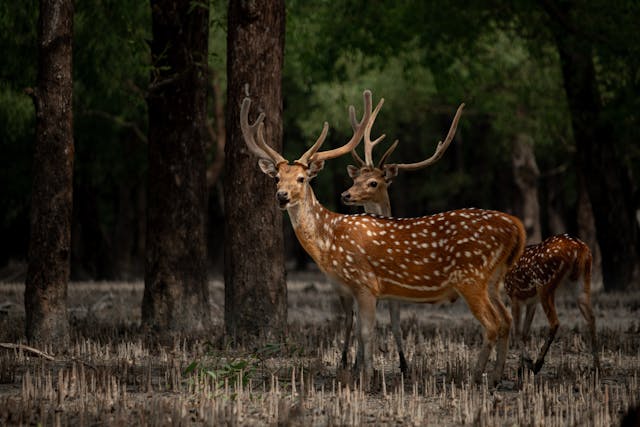
- High chance of spotting other wildlife like Spotted Deer and wild boars, which are more active in the cool weather.
Cons
- This is the peak tourist season so that the forest can feel slightly busier.
- Prices for tours are at their highest due to demand.
Wildlife Viewing
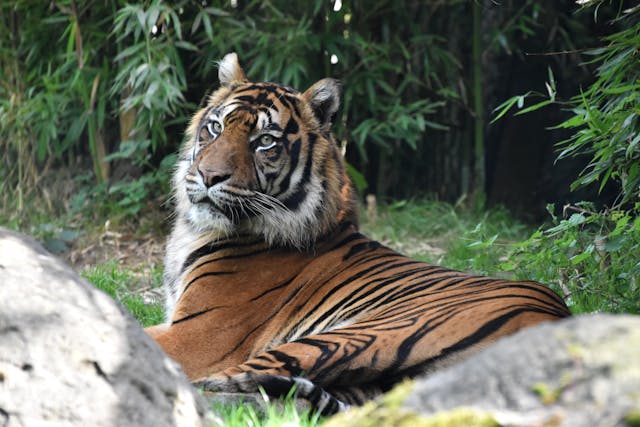
While the reduced foliage makes deer and birds easier to spot, the abundant water sources mean tigers have less reason to venture to the riverbanks. Tiger sightings are still possible, but they require a combination of skill and luck from your guide.
Summer (March - May): The Season for the Adventurous
Weather Conditions
The heat and humidity intensify significantly. Days are hot and bright, with temperatures often soaring. The air is still, and the sun is intense.
Pros
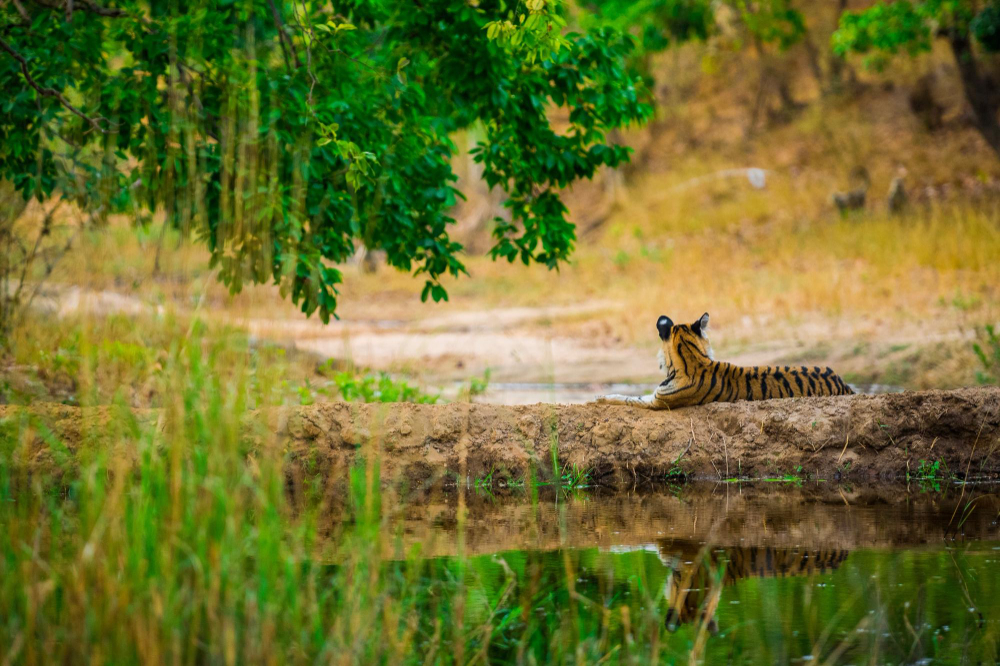
- This is the best time for a potential Royal Bengal Tiger sighting. As water holes deep in the forest dry up, tigers must come to the riverbanks to drink, especially in the early morning and late afternoon.
- Fewer tourists, offering a more solitary experience of the wilderness.
- Tour packages can be more affordable in the early summer.
Cons
- The heat and humidity can be challenging for some visitors.
- Mosquitoes are more prevalent.
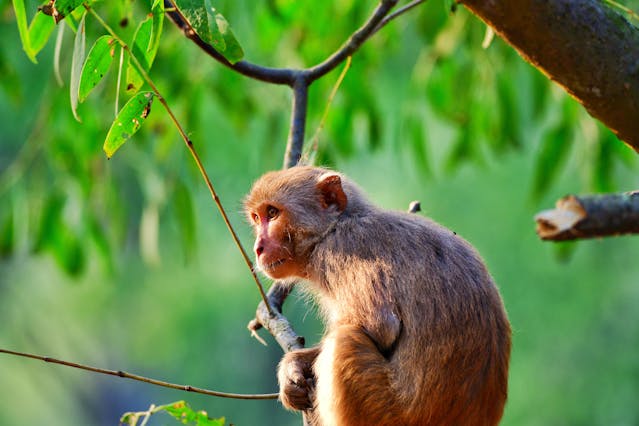
Wildlife Viewing
The primary draw is the increased tiger activity. However, the dense foliage can make spotting other animals slightly more difficult. The forest is alive with the sounds of summer, creating a truly wild atmosphere.
Monsoon (June - September): The Season of Transformation
Weather Conditions
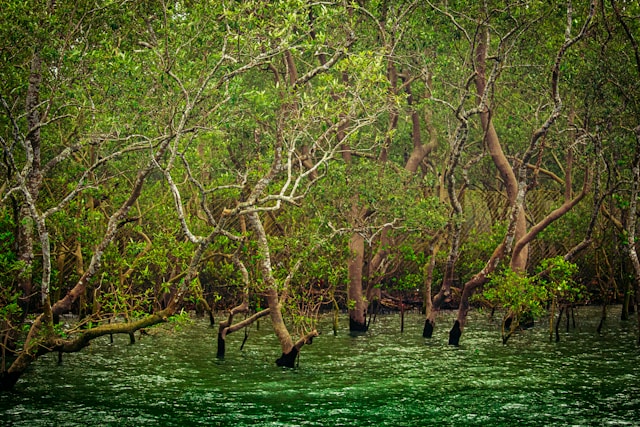
The forest receives the bulk of its annual rainfall. The skies are often overcast, and heavy, sudden downpours are frequent. Water levels rise dramatically, submerging large areas of the forest floor.
Pros
- Witness the Sundarbans in its most potent and primal state. The forest is incredibly lush and green.
- The unique opportunity to see the mangrove ecosystem thrive with abundant water.
- Almost no tourists, offering a rare sense of isolation and raw nature.
Cons
- This is the most challenging time to visit. Many tour operators, including Take A Boat, suspend operations during the peak of the monsoon (July-August) for safety reasons due to the potential for cyclonic weather and rough waters.
- Wildlife spotting is extremely difficult as animals retreat to higher ground.
- Travel is often disrupted by rain and high tides.

Wildlife Viewing
Very low. Most animals are sheltering, and touring deep into the forest is not feasible. This season is less about wildlife and more about experiencing the formidable power of the natural world.
Quick Seasonal Summary
- For Tiger Sighting: Summer (March-May)
- For Bird Watching: Winter (October-February)
- For Comfortable Weather: Winter (October-February)
- For Lush Greenery: Monsoon (June-September) - but travel is restricted
- For Budget Travel: Early Summer (March-April) or Late Monsoon (September)
There is no single best time to visit the Sundarban; there is only the best time for you. Whether you seek winter's comfortable skies for birding or summer's adventurous heat for a chance at the tiger, each season unveils a different facet of this UNESCO World Heritage Site. Your experience will be profoundly shaped by the period you choose.
To truly maximize your visit, align your trip with a specialized itinerary. For the best winter birdwatching experience, consider Take A Boat's specialized photography tours timed with migratory patterns and led by guides who know the prime habitats.
Plan Your Sundarban Adventure
Ready to choose your season and embark on an unforgettable journey?
Visit takeaboat.com to explore our seasonal itineraries and book a tour that aligns with your wildlife dreams. Our expert guides are ready to show you the Sundarbans in all its seasonal glory.