

People of the Sundarbans: Culture & Communities
Discover the Resilient Communities of the Sundarbans
Discover the resilient communities of the Sundarbans. Learn about their unique culture, traditions, and relationship with the mangrove forest on a responsible cultural tour with Take A Boat.
Table of Contents
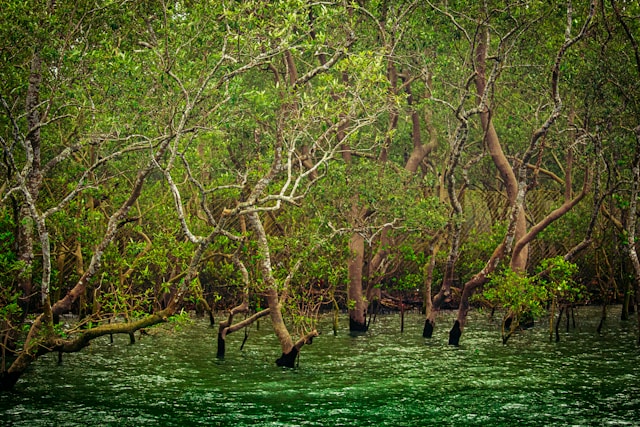
When we speak of the Sundarbans, we often talk of its tigers and turtles, its dolphins and deer. But to truly understand this UNESCO World Heritage Site, one must also know its people. The human communities who call the mangrove forest home are the living heart of the Sundarbans, possessing a culture shaped by resilience, faith, and a profound connection to a demanding environment. This is a glimpse into their world.
The Protector of the Forest: The Legend of Bonbibi
Before setting foot in the forest, one must know the story of Bonbibi, the "Lady of the Forest." This is not just a folktale; it is the central pillar of faith for everyone who ventures into the mangroves. The epic ballad, known as the "Bonbibi Johuranama," tells of the benevolent spirit Bonbibi and her brother Shah Jangali who protect the woodcutters, honey collectors, and fishermen from the demon tiger-genie, Dakkhin Rai.
For the locals, the forest is not a wilderness to be conquered, but a realm to be respected. Before entering, they offer prayers to Bonbibi, seeking her protection. This belief system fosters a relationship of reverence and coexistence, rather than domination. Understanding this myth is key to understanding the Sundarban people's worldview.
Lives of Resilience: The Fishermen and the Mawalis
The daily life here is a testament to human endurance. Fishermen set out in small, wooden boats, casting their nets in the same waters that are home to saltwater crocodiles and sharks. Their catch is unpredictable, dictated by the tides and the weather.
Even more iconic are the mawalis, the honey collectors. During the spring honey season, they form groups and embark on perilous journeys deep into the forest. Braving tiger attacks and venomous snakes, they follow the trails of bees to wild hives. They chant prayers to Bonbibi, believing their success and safety depend on her grace. These professions are not just jobs; they are traditions passed down through generations, embodying a courage that defines the Sundarban spirit.

Visiting a Local Village: A Lesson in Respect
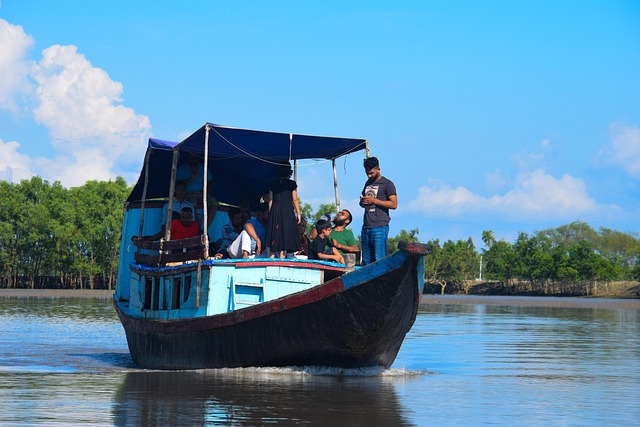
Many tours, including those offered by Take A Boat, include a visit to a riverside village. This is not a zoo exhibit; it is a privilege to glimpse a way of life. You will see homes built on stilts to withstand tides, children playing by the water, and women weaving nets. The pace of life is dictated by the sun and the river.
When visiting, etiquette is crucial. Always ask for permission before taking photographs of people. Dress modestly. Be mindful that you are a guest. These interactions, when conducted with respect, can be the most memorable part of the journey, offering a profound human connection to the landscape.
Responsible Tourism: A Partnership with People
Tourism, when done thoughtfully, can be a vital source of income for these communities. It provides an alternative to risking their lives in the forest and helps preserve their cultural heritage.
Our Take A Boat tours are designed with this in mind. We include visits to local communities in a way that is respectful and provides direct economic benefit. We hire local guides whose knowledge is irreplaceable, source fresh produce from village markets, and ensure that our presence contributes positively. We educate our guests on the importance of respecting local customs, ensuring that tourism becomes a force for mutual understanding and support.
The Human Soul of the Sundarbans
The story of the Sundarbans is incomplete without its people. They are the guardians of its stories and the embodiment of its spirit.
Ready to Experience the Culture of the Sundarbans?
Ready to experience the human soul of the mangrove forest? Join a Take A Boat tour to engage with the culture and communities of the Sundarbans respectfully and meaningfully. Visit takeaboat.com to book your journey.