

Sundarban Bird Watching Guide | Rare Species & Best Seasons


Sundarbans Bird Watching Tour: A Paradise for Bird Lovers
The Sundarbans is a haven for birdwatchers. Discover the rare and migratory species you can spot and the best times to visit. Join a specialized birding tour with Take A Boat.
Table of Contents
For the ornithologist and the avid birder, the Sundarbans is not merely a mangrove forest; it is a vibrant, living aviary of astounding diversity. As a guide specializing in the avian life of this region, I can attest that its labyrinthine waterways and dense canopy host an spectacular array of species, from majestic raptors to elusive, critically endangered waterbirds. This guide is your key to unlocking the bird watching treasures of the Bangladeshi Sundarbans.
The Sundarban Avian Spectrum: Key Species to Spot
The birdlife here can be broadly categorized, but the true joy is in the specific pursuit. Here are some of the most sought-after species for your life list.
Raptors and Birds of Prey
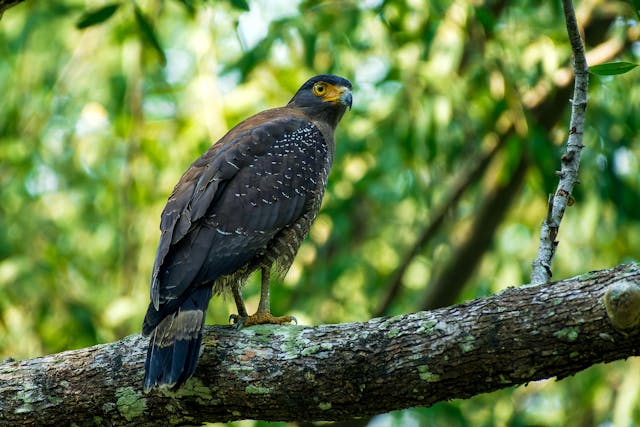
White-bellied Sea Eagle: A commanding presence, often seen soaring on broad wings over the rivers or perched high on a dead tree. Its striking white underside and powerful, hooked beak make it unmistakable. Best Time to See: Year-round.
Osprey: A magnificent winter visitor and a master fisherman. Watch for its characteristic hover over the water before its dramatic, feet-first plunge to catch prey. Best Time to See: October to March.
The Kingfisher Family
Brown-winged Kingfisher: A Sundarbans specialist and a true gem. Significantly larger than the common kingfishers, it sports a rich chocolate-brown back and wings with a vivid orange-chestnut head and belly. It favors the dense, muddy banks of tidal creeks. Best Time to See: Year-round.
Black-capped Kingfisher: Another stunning resident, with an electric blue back and wings, a stark white collar, and the namesake black head. It is a common and dazzling sight along most waterways. Best Time to See: Year-round.
Elusive and Endangered Waterbirds
Masked Finfoot: The holy grail for many birders. This critically endangered, bizarre-looking bird, with its distinctive striped neck and lobed feet, is a master of camouflage. It inhabits dense, tangled vegetation along quiet, freshwater canals. Spotting one requires immense patience and a sharp-eyed guide. Best Time to See: Year-round, but exceptionally difficult to find.
Asian Openbill: A unique stork that gathers in large colonies, especially during the breeding season. Its name comes from the distinctive gap between its mandibles, a specialized tool for feeding on large snails. Best Time to See: Year-round, with nesting activity peaking in the monsoon.
Other Notable Species
- Collared Kingfisher: A vocal and common resident with turquoise-blue upperparts.
- Lesser Adjutant: A massive, prehistoric-looking stork often seen wading in the shallows.
- Brahminy Kite: A beautiful chestnut and white raptor frequently seen scavenging over the water.
- Various Waders and Terns: The mudflats and sandy beaches host a variety of sandpipers, plovers, and terns, especially during the winter migration.
Essential Gear for the Sundarban Birder
The environment demands the right tools for successful observation and photography.
- Binoculars: A good pair (8x42 or 10x42) is non-negotiable for identifying distant birds.
- Camera and Lens: A DSLR or mirrorless camera with a telephoto lens (minimum 400mm, ideally 500mm or 600mm) is essential for capturing quality images in the challenging light.
- Field Guide: A dedicated field guide to the birds of the Indian subcontinent will be your constant companion.
- Notebook: To log your sightings and behaviors.
The Best Time for Bird Watching
The prime birding season is unequivocally the winter, from October to March. This period brings the migratory species from the north, dramatically increasing the diversity of birds. The weather is also pleasant, allowing for comfortable hours of observation. The early morning and late afternoon are the most active periods for birdlife throughout the year.
Expert Birding Guides with Take A Boat
To successfully locate the most sought-after species, especially the cryptic Masked Finfoot or the nesting colonies of the Openbill Stork, you need a guide with exceptional knowledge. Our Take A Boat guides are not just general naturalists; they possess a deep, specialized understanding of avian behavior and habitat. They know the specific, secluded channels that are the nesting and feeding grounds of the most elusive birds and can expertly position the boat for the perfect light and angle for your observations.
Experience the Symphony of the Sundarbans
The symphony of the Sundarbans is sung by its birds. From the piercing call of a kingfisher to the silent glide of an eagle, it is an experience that resonates deeply with any lover of nature.
Join a Specialized Bird Watching Tour
Ready to check off your most-wanted species? Join a Take A Boat specialized bird-watching tour, designed by and for those with a passion for feathers and flight. Visit takeaboat.com to book your ornithological adventure.