

The Sundarban Mangrove Forest: A Traveler's Guide to Earth's Living Labyrinth


Introduction: Where Land and Sea Perform an Ancient Dance
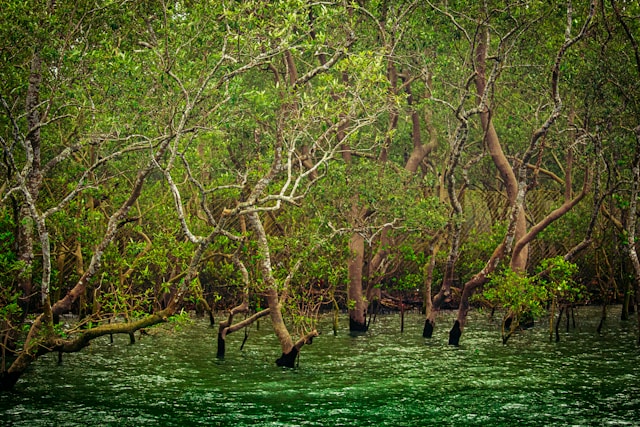
There are forests, and then there is the Sundarbans. This isn't just a place you visit; it's a world you step into—a place where trees breathe through roots that rise like skeletal fingers from the mud, where tigers swim between islands, and where the line between water and land blurs into a beautiful, mysterious haze.
Spanning nearly 10,000 square kilometers across Bangladesh and India, the Sundarbans is the largest contiguous mangrove forest on Earth. But statistics can't capture its magic. As a UNESCO World Heritage Site and a crucial barrier against cyclones, this forest is both a natural wonder and a lifeline for millions. For the adventurous traveler, it offers an experience unlike any other: a journey into a living, breathing ecosystem that feels both ancient and alive with every rustle and ripple.
Table of Contents
- Introduction: Where Land and Sea Perform an Ancient Dance
- Why the Sundarbans is Unlike Any Forest on Earth
- A Personal Journey: What It Feels Like to Be There
- How to Experience the Sundarbans Responsibly
- The Forest and Its People: An Inextricable Bond
- Quick Takeaways: Before You Go
- Conclusion: More Than a Destination
- FAQs
- Your Turn
Why the Sundarbans is Unlike Any Forest on Earth
1. A Masterpiece of Adaptation
Mangroves are nature's survivors, and the Sundarbans is their grand stage. Here, trees have evolved incredible tricks to thrive in saltwater:
-
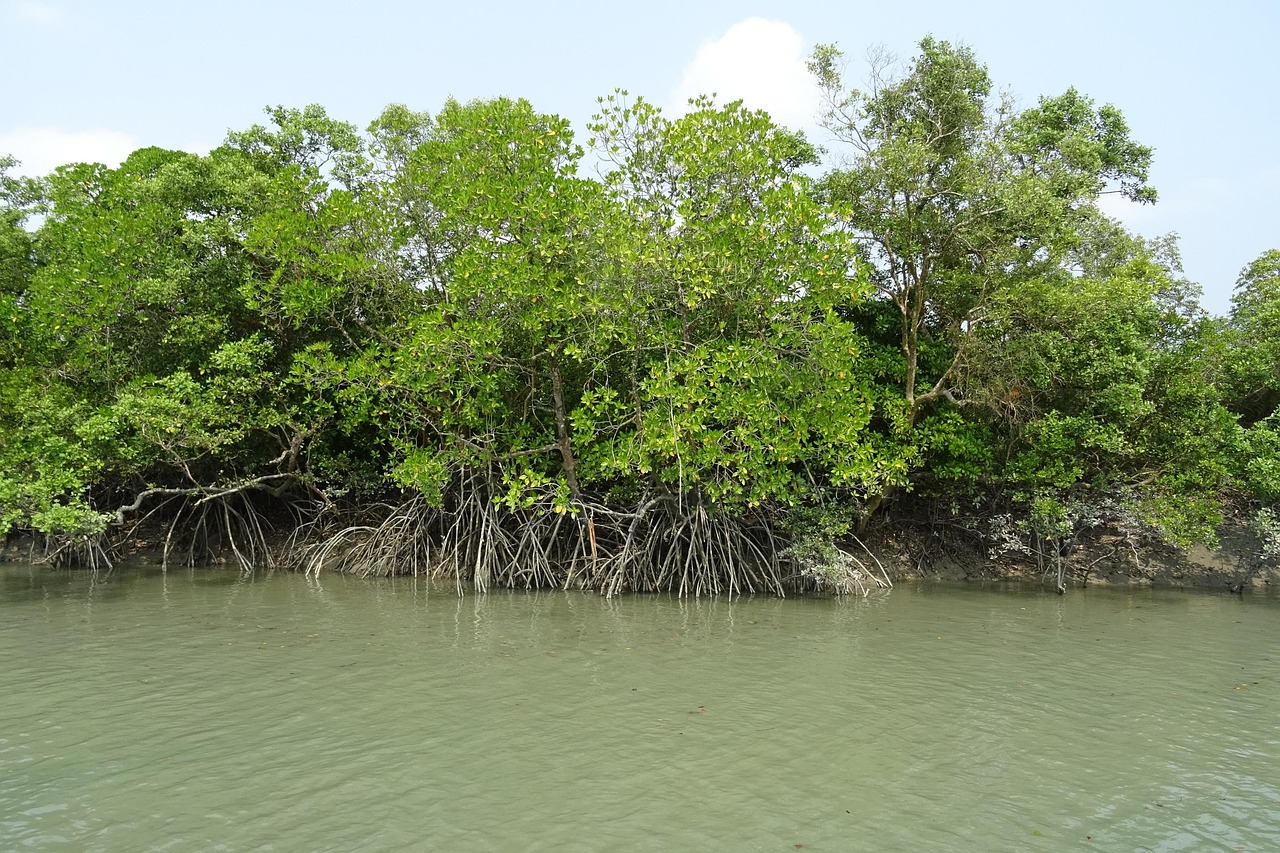
Breathing Roots (Pneumatophores): The iconic vertical roots of the Sundari tree (the forest's namesake) act like snorkels, sucking oxygen during low tide.
-
Salt Filters: Some species excrete salt through their leaves—you can sometimes taste it on a leaf brushed by a splash.
-
Stilt Roots: Trees like the Goran send out prop roots from their trunks, creating impenetrable, maze-like formations that shelter juvenile fish and crabs.
2. A Biodiversity Hotspot
The forest is a sanctuary for an astonishing array of life, both famous and hidden:
-
The Royal Bengal Tiger: The only mangrove-dwelling tiger in the world, with an estimated 200+ individuals. They are powerful swimmers, often crossing wide channels between islands.
-
Aquatic Wonders: Gangetic dolphins, Irrawaddy dolphins, and massive saltwater crocodiles patrol the deeper channels.
-
Birdlife Paradise: Over 300 species, from the majestic white-bellied sea eagle to the tiny, dazzling kingfishers that dart like blue jewels through the shadows.
-
The Unseen: Monitor lizards, fiddler crabs, spotted deer, and endless insect life form the intricate web of the ecosystem.
A Personal Journey: What It Feels Like to Be There
You don't just see the Sundarbans; you feel it. The air is thick and salty on your skin. The light filters through the canopy in dappled, green-tinted rays. The silence is profound, broken only by the sudden splash of a crocodile or the alarm call of a deer.
I'll never forget the time my boatman, an old local named Karim, cut the engine near a narrow creek. "Listen," he whispered. For a moment, there was nothing. Then, a deep, guttural breath from the dense foliage—a tiger, unseen but deeply felt. That moment of anticipation, of shared silence with a wild creature, is the true gift of the Sundarbans. It’s a humbling reminder that we are visitors in its domain.
How to Experience the Sundarbans Responsibly
1. Choosing Your Journey
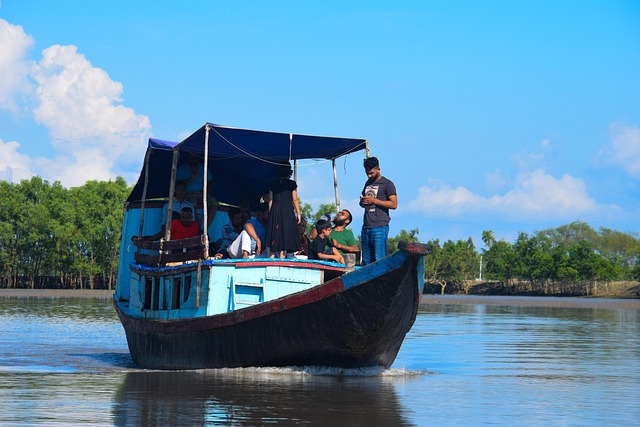
The only way to explore the forest is by boat. Options range from:
-
Day trips: From Mongla or Khulna, good for a glimpse but barely scratch the surface.
-
Multi-day liveaboard ships: The best way to immerse yourself. You sleep on the water, waking up to the sounds of the forest. This is the classic Sundarban ship experience.
-
Small country boat excursions: From your main ship, these smaller boats allow you to glide silently into the narrowest creeks, where the big boats can't go.
2. The Ethical Traveler's Code
-
Respect the Wildlife: Maintain a safe distance. Never try to lure animals for a photo.
-
Listen to Your Guide: Their knowledge is your key to safety and a deeper understanding.
-
Leave No Trace: Take all your trash back with you. This fragile ecosystem is easily damaged.
-
Support Local: Choose tour operators that employ local guides and crew from nearby villages.
The Forest and Its People: An Inextricable Bond
The Sundarbans is not an untouched wilderness. It is home to communities like the Bawalis (woodcutters), Mawalis (honey collectors), and fishermen who have lived in harmony with the forest for generations, though often at great risk from tigers and cyclones. Their traditional knowledge and stories are a vital part of the forest's narrative. Visiting a local village on the periphery can be a humbling and enlightening part of your trip.
Quick Takeaways: Before You Go
✔ Best Time to Visit: October to March for cool, dry weather.
✔ Must-Pack: Light, breathable clothing, binoculars, a good camera, sunscreen, insect repellent, and motion sickness pills for the boat.
✔ Manage Expectations: Tiger sightings are rare and magical. The real joy is in the entire ecosystem.
✔ Book Smart: Use a reputable tour operator for safety and a better experience.
✔ Be Present: Put the camera down sometimes. Just listen, smell, and feel the forest.
Conclusion: More Than a Destination
The Sundarban mangrove forest is a testament to resilience, complexity, and raw beauty. It challenges you, humbles you, and stays with you long after you've left its tangled shores. It’s a reminder of the wild, untamed heart of our planet, a heart that still beats strongly in the delta of the Bengal.
It’s not just a trip; it’s a pilgrimage for any serious traveler.
FAQs
Q: Is it safe to visit the Sundarbans with tigers around?
A: Yes, when with a certified guide. Attacks on tourists are extremely rare. The guides are experts at assessing risk and maintaining safe practices while on Sundarban boat tours.
Q: What is the biggest threat to the Sundarbans mangrove forest?
A: Climate change poses the largest threat, with rising sea levels and increased salinity affecting tree growth. Cyclones and illegal logging are also persistent challenges.
Q: Can I plant a mangrove tree as part of my visit?
A: Some tour operators, in partnership with conservation groups, offer this as an optional activity. It's a fantastic way to give back and leave a positive impact.
Q: How do the mangroves protect against cyclones?
A: The dense network of roots and trunks acts as a massive natural buffer, absorbing the energy of storm surges and waves, protecting the inland areas from catastrophic flooding.
Q: Are there any restrictions on where visitors can go?
A: Absolutely. The forest is zoned, and tourists are only allowed in certain areas with permits to minimize disturbance to the core wildlife habitats.
Your Turn
The Sundarbans is a place of stories. What draws you most to it? Is it the legendary tigers, the unique ecology, or the sense of pure adventure? Share your thoughts or questions below—we'd love to hear what calls to you.